

The same ticket that grants access to a vacation can also lead to a denial of boarding at the airport. The difference between these two scenarios usually comes down to a single document verified in due time. Most of these checks take less than five minutes. Airport disruptions do not have to affect your travel plans.
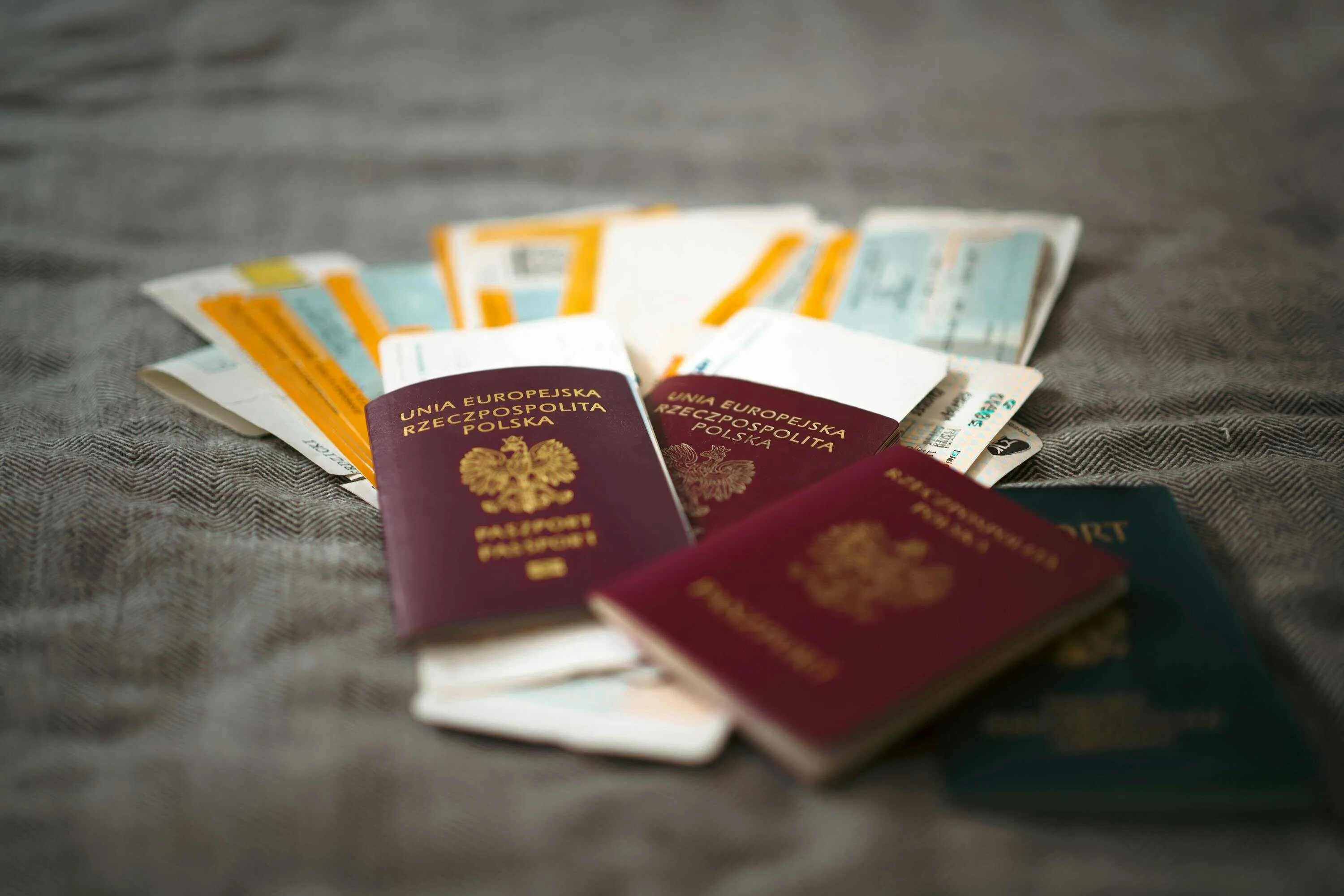
Passports: Validity Does Not Always Equal Compliance
A passport may be legally valid yet fail to meet the specific entry requirements of the destination country. Many countries require passports to remain valid for a specific period after the intended return date, rather than just for the duration of the stay. Some destinations enforce a three-month rule, while others require six months. These regulations depend entirely on the destination and the traveler's nationality. Verifying these requirements in advance is highly recommended; the information is readily available and takes only a moment to confirm.
Airlines enforce their own regulations and verify traveler documentation independently of border authorities via the TIMATIC system. Government authorization does not guarantee boarding. Travel requirements should be verified directly with the airline or through the IATA/TIMATIC database—the same system utilized by the airlines themselves.
Additionally, travelers should ensure their passport contains sufficient blank pages for stamps and is in good physical condition. Meeting these criteria ensures a seamless travel experience.
Visas and Electronic Authorizations: Distinct Regulatory Requirements
A visa-free regime indicates that a traditional visa is not required. However, it does not exempt travelers from pre-travel authorization procedures. Many destinations mandate an electronic travel authorization prior to departure—such as ESTA, eTA, ETIAS, or eVisa. This is a streamlined online procedure. Identifying whether the destination requires such authorization allows the process to be completed within minutes.
- Verify the visa type: a single-entry visa becomes invalid immediately upon exiting the country.
- The visa validity period and the permitted duration of stay are distinct dates—both must be fully compliant.
- Processing times can take several weeks; this is the primary reason to initiate the application early.
Transit: A Critical Verification Often Overlooked
Connecting flights in a foreign country may require a transit visa, even if the traveler does not exit the airport terminal. Changing terminals or reclaiming baggage often constitutes a formal entry into the country. In most cases, transit requirements can be verified in less than a minute via the official website of the relevant embassy or airline. Conducting this check in advance mitigates potential complications.
Name on the Ticket: Sequence Takes Precedence Over Spelling
Minor discrepancies regarding diacritics are typically tolerated. System verification primarily focuses on the following criteria:
- The sequence of the given name and surname must strictly match the passport.
- Nicknames and abbreviations are inadmissible—only the legal name must be used.
Ensuring the ticket reflects the correct legal name and sequence guarantees compliance.
Children and Minors: Verification Required Prior to Departure
Numerous countries require additional documentation when a minor is traveling with only one parent or under a different surname. Required documentation, such as written parental consent or a birth certificate, varies by destination. Reviewing these requirements in advance ensures a routine border crossing.
Medication: Medical Certificates Resolve Most Discrepancies
Prescribed medications may be classified as controlled substances at the travel destination. This applies particularly to ADHD medications, sedatives, narcotic analgesics, medical cannabis, and syringe injections in larger quantities. The solution is straightforward: obtain an official medical certificate in English and verify the destination's regulations regarding specific medications in advance. Presenting a valid certificate ensures that the vast majority of cases are processed without issue.
Document Copies: A Crucial Backup Plan
Digital copies of passports, visas, insurance policies, and driver's licenses should be saved for offline access—either as screenshots or PDF files. Internet connectivity cannot be guaranteed upon arrival, and offline access ensures critical information remains available at all times. In the event of a lost or stolen document, travelers should file a police report and contact the nearest embassy or consulate to obtain an emergency travel document. Having copies on hand significantly expedites this process.
Verified Sources for Regulatory Compliance
Reliable information can be obtained from three primary sources:
- The embassy or consulate of the destination country—the official authority for entry requirements.
- The airline directly—as airlines enforce their own internal policies in addition to state regulations.
- The IATA/TIMATIC database—the standardized system utilized by airlines for documentation verification.
- Passport validity complies with destination and airline requirements
- Sufficient blank pages available for entry/exit stamps
- Visa validity confirmed: correct type, duration, and entry conditions
- Electronic travel authorization obtained, if applicable
- Required documentation for minors prepared
- Ticket name matches passport exactly (sequence and legal form)
- Transit regulations verified for all countries along the itinerary
- Medications packed alongside an official medical certificate
- Destination regulations regarding specific medications verified
- Travel insurance active and covering planned activities
- Offline copies of all critical documents secured
- Embassy contact details recorded and readily accessible
The objective is not to memorize every regulation, but to know where to verify them—ensuring the airport experience remains a seamless routine rather than an unexpected disruption.